Living in the UK means one thing: when the sun appears, you make the most of it — because who knows how long it will last.
But while sunny days are something to celebrate, too much sun exposure can take a toll on your skin. From painful sunburn to premature ageing and long-term damage, unprotected skin can quickly pay the price.
That’s where sunscreen comes in.
A good facial sunscreen helps block and absorb harmful ultraviolet rays, protecting your skin from both immediate and long-term damage. And while many people only think about sunscreen on holiday, dermatologists agree it should actually be part of your daily skincare routine.
But why wear sunscreen every day, especially on your face? I spoke to Dr Giuseppe Aragona, GP and online doctor for Prescription Doctor, about the importance of sunscreen and how to choose the best one for your skin type.

Why Wear Sunscreen? 3 Major Benefits for Your Skin
Sunlight contains many different rays, but UVA and UVB rays are the two main types that reach the earth’s surface and affect your skin.
UVB rays are responsible for causing sunburn and can increase your risk of skin cancer, including malignant melanoma — the most serious form.
UVA rays, meanwhile, penetrate deeper into the skin and are largely responsible for photoaging, contributing to wrinkles, pigmentation and loss of skin elasticity.
The good news? Both can be significantly reduced by wearing sunscreen regularly.
“Sunscreen is incredibly important to wear daily to protect your skin from the sun’s harmful UV rays,” Dr Giuseppe says. “[They] can easily penetrate the skin barrier even through clouds so it’s not just something that should be applied on holiday.”
Here are three key reasons your face especially should never skip SPF.
1. It Helps Prevent Sunburn
Sunburn is often the first sign that your skin has been exposed to too much UV radiation.
A one-off burn might not cause lasting damage, but repeated sunburn can lead to long-term skin issues including premature ageing and increased cancer risk.
It’s also worth noting that some sunscreens focus primarily on blocking UVB rays, which means your skin may still be exposed to UVA damage. That’s why it’s important to look for broad-spectrum protection when choosing a sunscreen for your face.
2. It Protects Against Premature Ageing
If you’re investing in serums, eye creams and anti-ageing treatments, daily sunscreen should be the very first step.
Sun exposure is one of the biggest causes of premature skin ageing, leading to fine lines, dark spots, pigmentation and loss of firmness over time.
Applying sunscreen every morning helps protect the delicate skin on your face from this process.
“You should be applying sunscreen every day if you want to keep your skin looking youthful and wrinkle and sun spot free,” adds Dr Giuseppe.
3. It Reduces Your Risk of Skin Cancer
One of the most important reasons to wear sunscreen is to help prevent skin cancer.
Skin cancer is one of the most common cancers in the UK, with more than 100,000 new cases diagnosed each year.
While many factors can contribute, repeated sunburn significantly increases the risk. In fact, experiencing five or more sunburns can double your risk of melanoma.
Using facial sunscreen consistently — particularly on high-exposure areas like the nose, cheeks and forehead — can help reduce this risk over time.
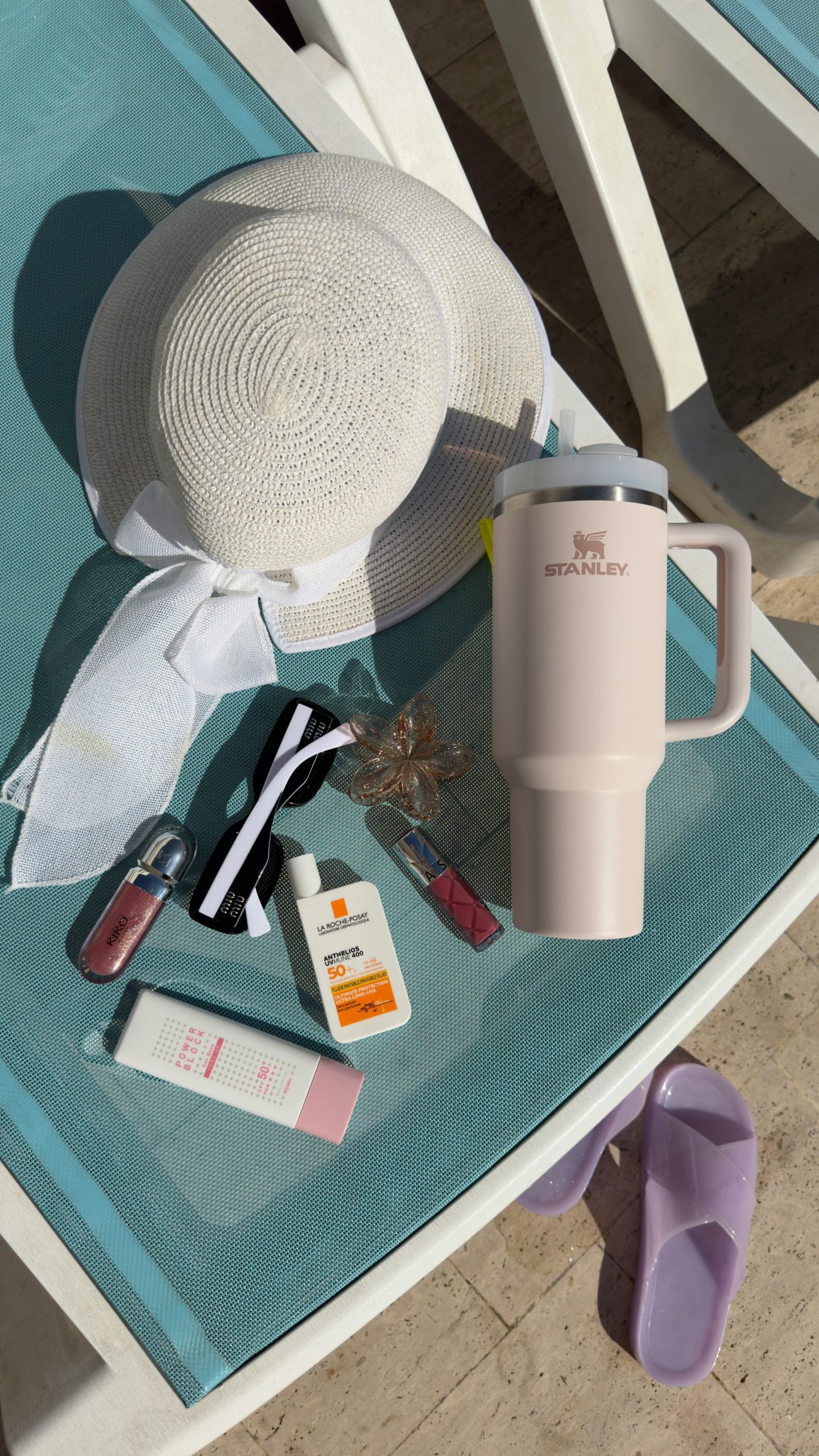
How to Choose the Right Sunscreen for Your Skin Type
Now that we’ve covered why sunscreen matters, the next step is choosing one that works for your skin.
“Choosing the right sunscreen for your skin type is important because if you do not you could put your skin at risk of developing pimples and acne from the oiliness,” Dr Giuseppe explains.
Here’s how to find your perfect match.
1. Identify Your Skin Type
Understanding your skin type makes it much easier to choose products that work for you.
Most people fall into one of five main categories:
- Normal – Balanced skin that isn’t overly oily or dry.
- Oily – Excess oil production, particularly around the T-zone.
- Combination – A mix of oily and dry areas.
- Dry – Skin that feels tight, flaky or dehydrated.
- Sensitive – Skin that reacts easily with redness or irritation.
While a dermatologist can give you the most accurate answer, you can often determine your skin type at home using methods like the bare-face test or blotting sheet method.
2. Choose a Formula That Works for Your Skin
Once you know your skin type, selecting the right sunscreen becomes much easier.
If you have normal skin, most formulas should work well — it may simply be a matter of finding one with a texture you enjoy wearing daily.
For oily or acne-prone skin, look for lightweight formulas.
“If you suffer with oily skin, you should opt for an oil-free or non-comedogenic sunscreen which will not clog the pores.
There are many on the market which are tailored to oily skin, just have a look at the ingredients list and ensure you are choosing one which is oil-free and with fast absorption.”
Sensitive skin types should prioritise gentler formulas.
“Sensitive skin types should opt for sunscreens which are fragrance-free and hypoallergenic to ensure no skin flare ups or irritation.”
If your skin tends to be dry, hydration is key.
“You should go for a sunscreen which offers a hydrating, thicker consistency and will moisturise the skin while also protecting it,” Dr Giuseppe adds.
3. Understand Physical vs Chemical Sunscreen
Another factor to consider is whether you prefer physical (mineral) or chemical sunscreen.
For those unfamiliar with the difference, Dr Giuseppe explains:
“Chemical sunscreen is absorbed quickly into the skin and appears invisible. [It] absorbs the UV rays, converts those rays into heat and removes them from the body. Physical sunscreen sits on top of the skin and reflects the sun’s rays.”
Chemical sunscreens tend to have lighter textures, making them popular for everyday facial use.
Physical sunscreens often have a thicker consistency, which can be beneficial for dry or sensitive skin types.
“Most physical sunscreens have a thicker consistency and would be best for dry skin types, whereas chemical sunscreens which offer a more invisible coverage would work for oily skin types.”
4. Choose Dermatologist-Approved Brands
With so many options on the market, it can be difficult to know where to start.
While wearing any sunscreen is better than none, Dr Giuseppe recommends opting for dermatologically trusted brands when possible.
“There are a few brands which I always recommend, and those are La Roche-Posay, Kiehl’s, Avène, SkinCeuticals and ZO Skin,” he says.
Which SPF Should You Use?
The final factor to consider is SPF (Sun Protection Factor).
SPF measures how long sunscreen can protect your skin from UVB rays compared to having no protection at all.
For example, SPF 30 means your skin would take 30 times longer to burn than it would without sunscreen.
According to the NHS, you should aim for at least SPF 30 for daily protection.
For best results:
- Reapply every two hours, especially if you’re outside for long periods.
- Apply sunscreen 20 minutes before sun exposure.
- Use it as the final step in your morning skincare routine.
Pin this article and save for later:
Why Wearing Facial Sunscreen Should Be Non-Negotiable
Even though UV rays are strongest between 10am and 4pm, they can still affect your skin on cloudy days — something the UK climate proves regularly.
That’s why sunscreen shouldn’t be reserved for holidays or heatwaves. Instead, it should be a daily skincare essential, just like moisturiser or cleanser.
The easiest way to stay protected? Add SPF to your morning routine — whether that’s a dedicated facial sunscreen, tinted moisturiser with SPF, or foundation with sun protection.
Your future skin will thank you.
Leave a Reply